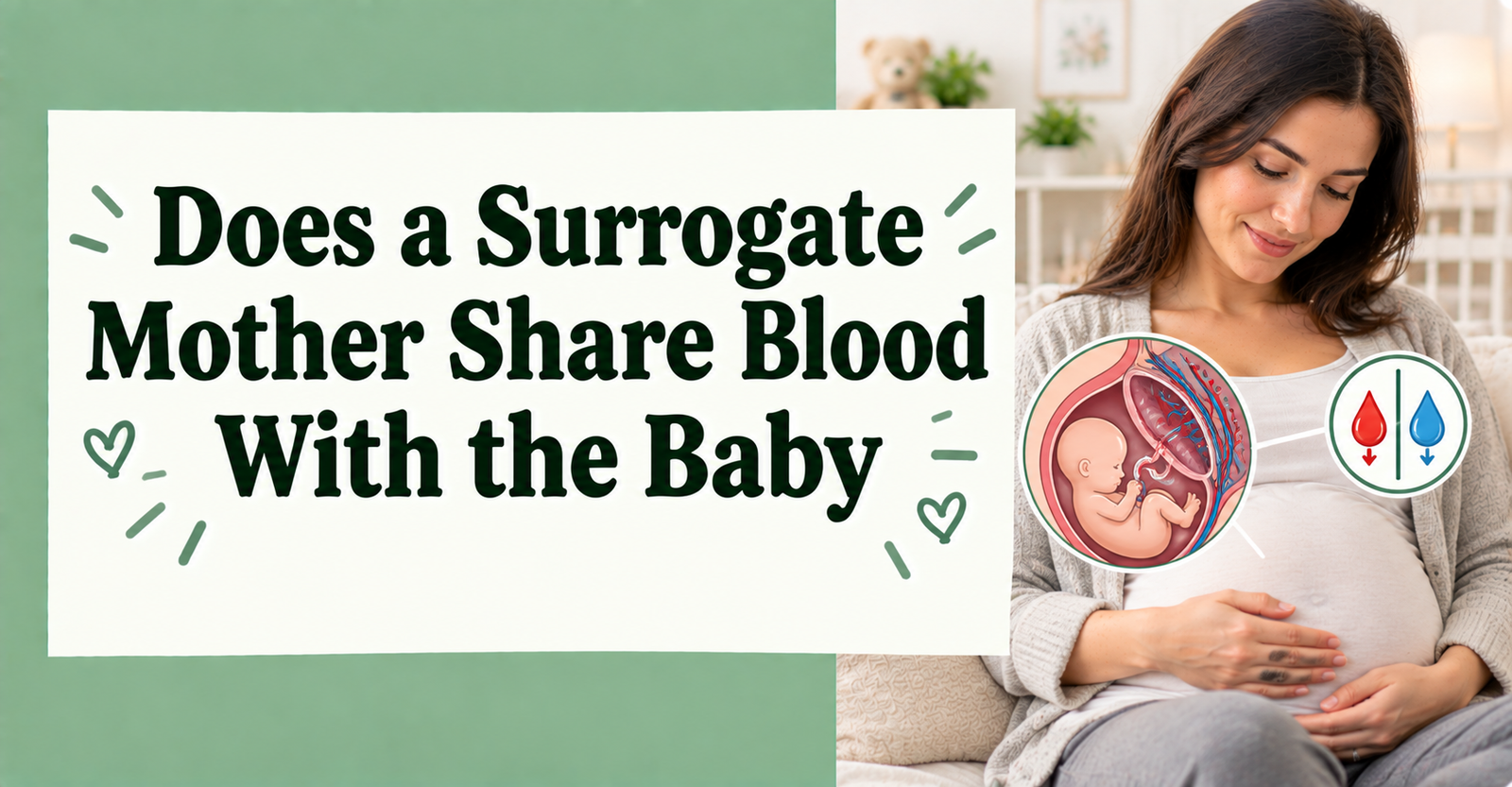
It is one of the most common questions intended parents and curious friends and family ask about surrogacy: does a surrogate mother share blood with the baby she carries? It sounds like it should be simple, but the answer touches on genetics, placental biology, and a couple of genuinely surprising exceptions most articles gloss over.
Here is the short version. In gestational surrogacy, the type used in the overwhelming majority of arrangements today, the surrogate does not share blood or DNA with the baby. But “not sharing blood” is not quite the same as “zero biological interaction,” and understanding that distinction actually makes the whole process easier to explain to family members who are confused about it.
Does a Surrogate Mother Share Blood With the Baby? The Short Answer
No. In a gestational surrogacy arrangement, the surrogate’s blood and the baby’s blood run through two completely separate circulatory systems for the entire pregnancy. The baby’s blood is its own, produced by its own body, carrying its own DNA. The surrogate’s blood stays hers.
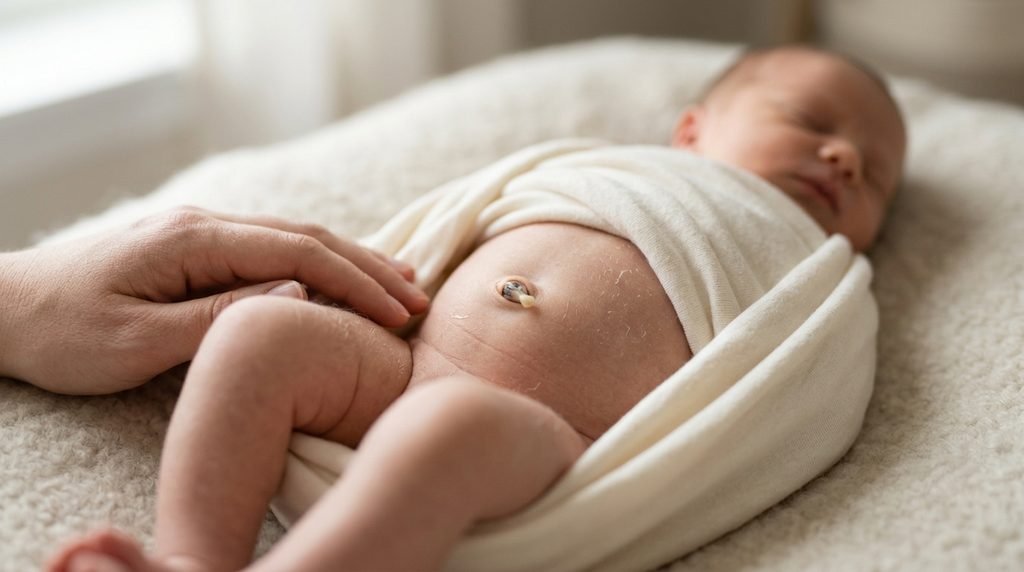
This surprises people because pregnancy looks so physically intertwined from the outside. The baby grows inside the surrogate’s body for nine months, so it seems logical to assume something as fundamental as blood would be shared too. It is not, and the reason comes down to one organ doing a very specific job.
How the Placenta Keeps Two Blood Supplies Separate
The placenta is the organ responsible for keeping mother and baby connected without their blood ever mixing. Maternal blood pools around tiny fetal blood vessels called chorionic villi, and oxygen, nutrients, and antibodies pass across that thin membrane through diffusion and active transport. Waste products travel the opposite direction, back into the surrogate’s bloodstream to be filtered out by her body.
What does not cross is the blood itself. Red blood cells, white blood cells, and the DNA they carry stay on their own side of that membrane. Researchers sometimes describe the placenta as acting like both a gateway and a shield: open enough to keep the baby fed and oxygenated, sealed enough to keep two separate circulatory systems from merging into one.
Gestational vs. Traditional Surrogacy: Why It Matters
The answer to this question actually depends on which type of surrogacy is involved, and it is worth being precise about the difference.

Gestational surrogacy is what the vast majority of U.S. surrogacy arrangements use today. An embryo is created through IVF using the intended mother’s egg or a donor egg, combined with the intended father’s sperm or donor sperm. That embryo is then transferred into the surrogate’s uterus. She carries the pregnancy but contributes zero genetic material, since the egg was never hers.
Traditional surrogacy is far less common now, largely due to the legal and emotional complexity it introduces. In this model, the surrogate’s own egg is used, which means she is the biological mother of the baby she carries. This is the one scenario where a genuine genetic connection exists, though even here, blood still does not mix through the placenta the way people often imagine.
When people ask about surrogacy today, they are almost always describing the gestational model, which is why the no-shared-blood, no-shared-DNA answer applies in the vast majority of real-world cases. So when someone asks does a surrogate mother share blood with the baby without specifying which type of arrangement they mean, gestational surrogacy is the safe assumption, and the answer stays a clear no.
Where the Baby’s DNA Actually Comes From
DNA is locked in at the moment of conception, when a sperm cell fertilizes an egg. Half the genetic material comes from the egg, half from the sperm. That blueprint does not change based on whose body carries the pregnancy afterward.
In gestational surrogacy, since the egg belongs to the intended mother or an egg donor, and the sperm belongs to the intended father or a sperm donor, the baby’s full genetic identity comes exclusively from those two sources. The surrogate’s uterus provides the environment for growth, but it does not contribute a single strand of DNA to the process.
Does the Baby Inherit the Surrogate’s Blood Type?
No, and this is a detail that trips people up even after they understand the DNA basics. Blood type is determined genetically, based on the ABO gene system and the Rh factor, and it is set at conception exactly like every other inherited trait. A baby’s blood type comes entirely from the genetic egg and sperm sources, never from the surrogate carrying the pregnancy.
That means a surrogate with type O blood can carry a baby who turns out to be type A, B, AB, or O, depending entirely on what the intended parents or donors contributed genetically. Her own blood type has no bearing on the outcome.
Epigenetics: What the Surrogate CAN Influence
Here is where the science gets genuinely interesting, and where a lot of surface-level articles stop short. While the surrogate does not change the baby’s DNA sequence, she can influence how some of those genes are expressed, through a field called epigenetics.

Epigenetics does not rewrite genetic code. Instead, it affects which genes get switched on or off, shaped by factors like the surrogate’s nutrition, stress levels, and overall prenatal environment during the pregnancy. This is not unique to surrogacy. It is true of any pregnancy, biological or gestational. The takeaway for intended parents is reassuring rather than concerning: the baby’s core genetic identity is fixed and entirely theirs (or their donors’), while a healthy, well-supported pregnancy simply gives those genes the best possible environment to express themselves in.
The Rare Exception: When a Little Blood Does Cross
Most surrogacy explainers state flatly that blood never crosses the placental barrier, full stop. The more medically accurate picture has one narrow exception worth knowing about.
Embryology research shows that fetal and maternal blood are kept almost entirely separate throughout pregnancy, but a very small amount of exchange can occur late in pregnancy or during labor and delivery, when the placental membrane thins and becomes slightly more permeable. In some cases, this shows up as what doctors call fetomaternal hemorrhage, where a small number of the baby’s blood cells enter the surrogate’s bloodstream, usually in tiny, harmless amounts detected only through specific blood tests.
This is worth knowing, but it does not change any of the genetic conclusions above, and it is not really an answer of “yes” to whether a surrogate mother shares blood with the baby in any meaningful, ongoing sense. A small number of blood cells crossing briefly during delivery is not the same as an ongoing shared blood supply, and it does not transfer meaningful DNA between the surrogate and the baby in any way that affects parentage or inherited traits. It is simply a more complete, medically honest answer than the blanket “never” that shows up in most surrogacy blog posts.
Fetal Microchimerism: A Strange, Real Phenomenon
Related to that rare exception is something researchers call fetal microchimerism, and it is one of the more fascinating footnotes in pregnancy science. Studies have found that a small number of fetal cells can persist in a person’s body for years, sometimes decades, after a pregnancy ends, having crossed into the maternal bloodstream during gestation or delivery.
This phenomenon has been documented in biological pregnancies generally, and researchers have studied it in gestational carriers as well. It does not mean the surrogate becomes genetically related to the baby, and it has no bearing on parentage, resemblance, or inheritance. It is simply a reminder that “the placenta keeps everything perfectly separate” is a helpful simplification rather than a completely airtight rule, and the real biology is a little more nuanced and, frankly, more interesting than the flat version most people hear.
Why Disease Screening Still Matters, Even Without Shared Blood
If blood does not mix, people sometimes wonder why surrogacy agencies and clinics still require extensive medical and infectious disease screening for surrogates before an embryo transfer. The answer is that the placenta, while it blocks blood cells, is not a perfect barrier against everything.
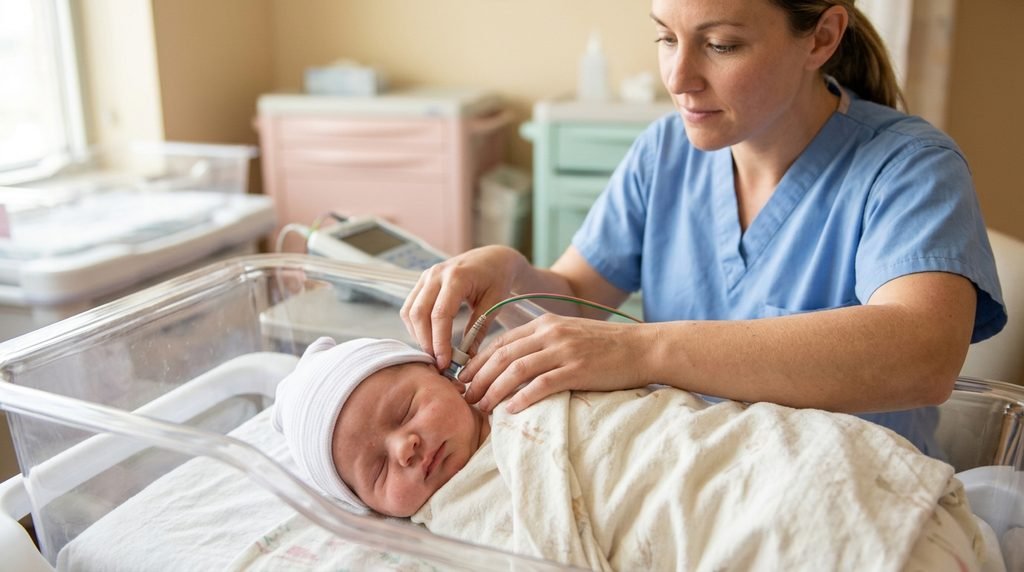
Certain infections and pathogens can cross the placental membrane even without blood mixing, which is exactly why screening protocols exist. This is also part of why traditional pregnancies come with prenatal screening recommendations regardless of surrogacy. Testing a surrogate thoroughly before transfer protects the pregnancy from risks that have nothing to do with genetics or blood type, and everything to do with keeping both the surrogate and the baby healthy throughout the process.
Legal Parent vs. Genetic Parent: Two Different Questions
It is worth separating two things that often get tangled together in these conversations: genetic parentage and legal parentage. Genetically, as covered above, the intended parents or their donors are the baby’s biological source in gestational surrogacy. Legally, parentage is established through contracts, court orders, or pre-birth orders depending on the state, specifically because genetics alone do not automatically determine legal rights.
This distinction exists precisely because surrogacy separates biology from gestation in a way that older legal frameworks were not originally built around. If you are working through a surrogacy arrangement, your agency or attorney will walk you through exactly how legal parentage gets established in your specific state, since the process varies quite a bit depending on where you live.
Frequently Asked Questions
Will the baby look like the surrogate mother?
No. Physical resemblance comes from genetics, and in gestational surrogacy, the surrogate contributes no genetic material. The baby will resemble the egg and sperm sources, whether that is the intended parents or donors, not the person who carried the pregnancy.
Can a surrogate pass on allergies or genetic conditions to the baby?
No, not genetically. Since DNA comes entirely from the egg and sperm used to create the embryo, inherited conditions and allergy predispositions follow the genetic parents, not the surrogate. Environmental factors during pregnancy can still play a role in overall health, but that is separate from genetic inheritance.
Does the surrogate’s Rh factor matter medically, even if blood doesn’t mix?
Yes, in one specific way. If the surrogate is Rh-negative and the baby is Rh-positive, the small amount of blood exchange that can occur during delivery may trigger an immune response in the surrogate for future pregnancies. This is a well-managed, standard part of prenatal care, typically addressed with a medication called Rho(D) immune globulin, and it is exactly why obstetric teams track Rh status closely throughout any pregnancy, surrogate or otherwise.
Can a surrogate claim parental rights based on a genetic connection?
In gestational surrogacy, there is no genetic connection to claim, since the surrogate did not contribute an egg. Legal parentage is instead established through surrogacy contracts and, depending on the state, court orders that are typically finalized before or shortly after birth.
Conclusion
To circle back to the original question, does a surrogate mother share blood with the baby? In gestational surrogacy, the model used in the vast majority of arrangements, the answer is no. Two separate circulatory systems, two separate blood supplies, and DNA that was determined entirely at conception by the egg and sperm involved. The placenta does its job as a highly selective barrier, with only a small, well-documented exception around delivery that does not change anything about genetics or parentage. If you are navigating your own surrogacy journey, your clinic or agency can walk you through exactly how these details apply to your specific arrangement.
Related Post:
Can Babies Drink Cold Formula? The Honest Safety Guide
How Much Expressed Milk to Feed Baby Calculator: A Complete Weight-Based Guide
Why Do Some Babies Wear Helmets? 7 Simple, Essential Facts

2 thoughts on “Does a Surrogate Mother Share Blood With the Baby? 5 Truths”