If you’ve spent the last few nights pacing the hallway with a fussy, drooling little one, you’re not alone. Teething is one of the most common reasons babies suddenly start waking up more at night, and it can turn even the best sleepers into restless little owls. The good news is that there are plenty of gentle, safe, and effective ways to ease your baby’s discomfort and get everyone back to sleep. This guide walks you through everything you need to know about how to help a teething baby sleep, from understanding what’s actually happening in those tiny gums to practical nighttime strategies that actually work.
Understanding Teething and Sleep Disruption
Teething is the natural process where a baby’s first teeth push through the gums, and it usually begins somewhere between four and seven months old, though it can start earlier or later depending on the child. The entire process can stretch out until around age two or three, as all twenty baby teeth gradually make their appearance. It’s no surprise that this drawn-out process can wreak havoc on sleep schedules.
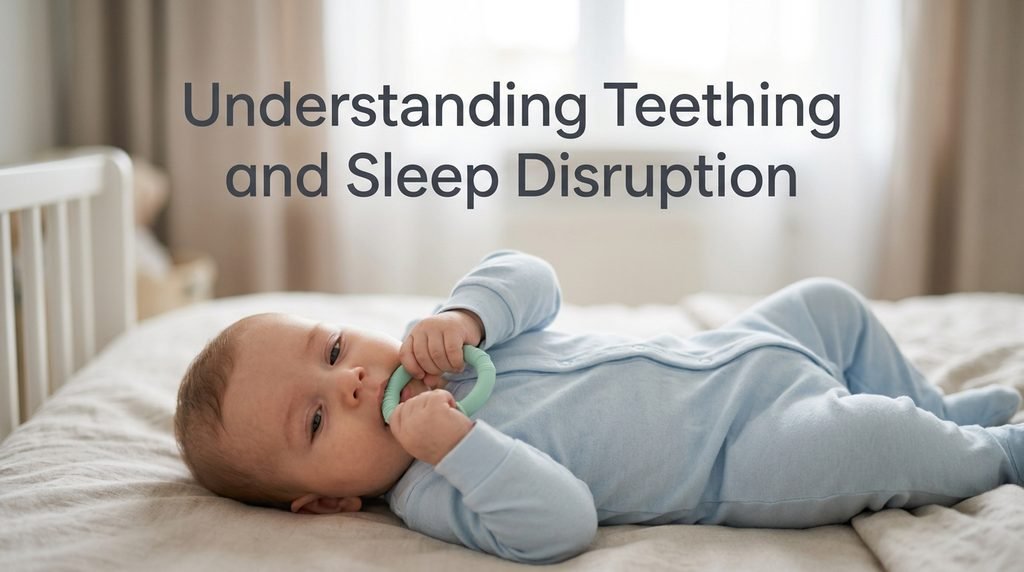
When a tooth is getting ready to break through, the gum tissue around it becomes inflamed and tender. This inflammation tends to feel worse at night, partly because babies have fewer distractions once the lights go out and partly because lying flat can increase blood flow and pressure to the head and gums. That combination often means a baby who napped just fine during the day suddenly can’t settle once bedtime rolls around.
Common signs that teething might be behind your baby’s restless nights include increased drooling, swollen or reddened gums, a strong urge to chew on everything in sight, general fussiness, and sometimes a mild rise in temperature. None of these symptoms are dangerous on their own, but together they can add up to a genuinely uncomfortable experience for your little one, and by extension, for you.
How to Tell If It’s Teething or Something Else
It’s easy to blame every rough night on teething, but not every sleep disruption is caused by an emerging tooth. Knowing the difference can save you unnecessary worry and help you respond appropriately.
| Symptom | Likely Teething | Possibly Something Else |
| Drooling and chewing on hands/toys | Yes | — |
| Mild, low-grade temperature (under 101°F) | Yes | — |
| High fever (over 101°F) | No | Possible illness |
| Diarrhea or vomiting | No | Possible illness |
| Rash beyond the chin/drool area | No | Possible infection or allergy |
| Pulling at ears | Sometimes (referred pain) | Could indicate ear infection |
| Persistent crying lasting hours | Rare | Warrants medical check |
If your baby has a genuinely high fever, diarrhea, vomiting, or seems unusually lethargic, these are generally not signs of teething and are worth a call to your pediatrician. Teething alone typically causes mild discomfort, not serious illness.
Immediate Relief Techniques for Better Sleep
When you’re trying to figure out how to help a teething baby sleep, the first place to start is direct relief for sore gums. A few tried-and-true methods can make a noticeable difference before you even get to the crib.
Chilled teething rings are one of the simplest and most effective tools available. The cold temperature helps numb the gums and reduce swelling, and the gentle pressure from biting down can relieve the ache building beneath the surface. Keep a couple of rings in the refrigerator (not the freezer, since extreme cold can actually irritate tender gums) so one is always ready before bedtime.
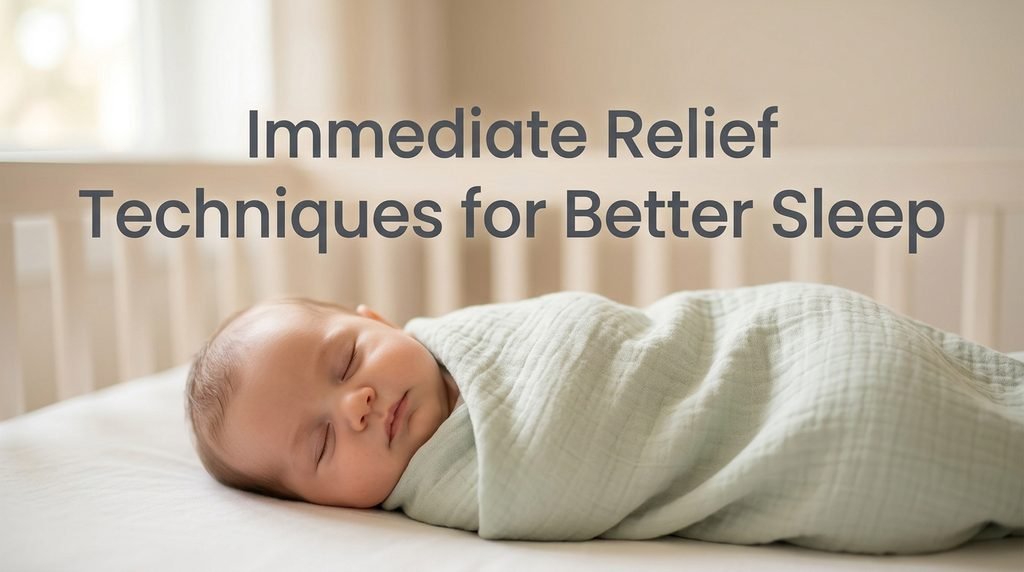
A clean, damp washcloth also chilled in the fridge works just as well if you don’t have a teething ring on hand. Letting your baby gnaw on it satisfies the natural urge to chew while cooling the inflamed tissue.
For babies who have already started solid foods, cold items like a peeled cucumber spear or a mesh feeder filled with chilled fruit can provide relief while also being safe and supervised snack options.
Gentle gum massage is another option that many parents overlook. Using a clean finger, gently rub along the baby’s gum line in small circles. The light pressure can interrupt the sensation of pain and is often soothing enough to help a baby settle down before sleep.
Safe Pain Relief Options
Sometimes physical soothing techniques aren’t quite enough, especially during a particularly painful tooth eruption. In these cases, appropriately dosed infant pain relievers can help.
Acetaminophen and ibuprofen (the latter only for babies over six months) are generally considered safe for occasional teething pain when dosed correctly for your baby’s weight and age. Always check with your pediatrician before giving any medication, especially for babies under six months old, and never exceed the recommended dosage or frequency.
It’s important to steer clear of certain products that seem convenient but carry real risks. Teething gels and tablets containing benzocaine have been linked to a rare but serious condition called methemoglobinemia, which affects the blood’s ability to carry oxygen, and health authorities have advised against their use in young children. Homeopathic teething tablets containing belladonna have also been flagged for safety concerns due to inconsistent ingredient levels. Amber teething necklaces, while popular on social media, pose a strangulation and choking hazard and have no proven pain-relief benefit backed by scientific evidence.
Bedtime Routine Adjustments During Teething
Even a well-established bedtime routine may need a few tweaks during a rough teething stretch. Consider starting the wind-down process ten or fifteen minutes earlier than usual to give your baby extra time to settle without feeling rushed while uncomfortable.
Adding a short gum massage or offering a chilled teething ring as part of the pre-sleep routine can also help signal to your baby that it’s time to relax, while simultaneously easing physical discomfort. A few extra minutes of quiet cuddling, rocking, or singing can go a long way too, since the emotional comfort of a parent’s presence often does as much good as any physical remedy.
That said, try to avoid introducing entirely new habits that might be hard to break later, such as feeding your baby to sleep every single night if that wasn’t already part of your routine. Small, temporary adjustments are usually enough to get through a flare-up without creating long-term sleep associations you’ll need to undo afterward.
Comfort and Environment Tips
The sleep environment itself plays a role in how well your baby settles, teething or not. A slightly cooler room can feel more soothing to warm, inflamed gums and an overall fussy baby. White noise machines can help mask the small sounds that might otherwise wake a baby who’s already sleeping lighter than usual due to discomfort.

Drool rash is another common side effect of teething that can quietly disrupt sleep if left unaddressed. The constant drooling can irritate the skin on the chin, cheeks, and neck, leading to redness and soreness. Wiping the area gently and frequently throughout the day, then applying a thin layer of a gentle barrier cream before bed, can prevent this irritation from adding another layer of discomfort at night.
Nighttime Waking: What to Do
When your baby wakes up crying in the middle of the night, it helps to have a calm, consistent plan rather than reacting differently every time. Start with the simplest, least stimulating comfort measures first, such as a gentle pat, a soft voice, or offering the chilled teething ring you kept nearby. If your baby seems genuinely inconsolable, picking up for a brief cuddle is completely reasonable.
Try to keep nighttime interactions low-key: dim lighting, quiet voice, minimal stimulation. This helps signal that it’s still sleep time, even while you’re providing comfort. If comfort nursing or an extra bottle feels appropriate and your baby seems to want it, that’s a normal and safe response to teething discomfort during an otherwise unusual night. Just keep an eye on whether it becomes an every-night pattern once the teething episode has passed, so you can gently phase it back out if needed.
Daytime Strategies That Improve Nighttime Sleep
What happens during the day has a real impact on how babies sleep at night, and teething is no exception. Overtired babies tend to have a harder time settling, so keeping naps on track as much as possible during a teething flare-up can actually improve nighttime sleep quality.
Offering plenty of chewing opportunities and cold relief during the day means your baby isn’t saving up all that discomfort for bedtime. Extra fluids and feedings can also help, since some babies eat less than usual when their gums are sore, and staying hydrated supports overall comfort. Active playtime, including plenty of tummy time or crawling for older babies, can also help release some of the tension and fussiness that builds up from teething pain.
When to Call the Pediatrician
While most teething discomfort can be managed at home, certain signs call for a conversation with your pediatrician. Reach out if your baby has a fever above 101°F, ongoing diarrhea or vomiting, a rash that spreads beyond the drool zone, or seems unusually lethargic or difficult to console.
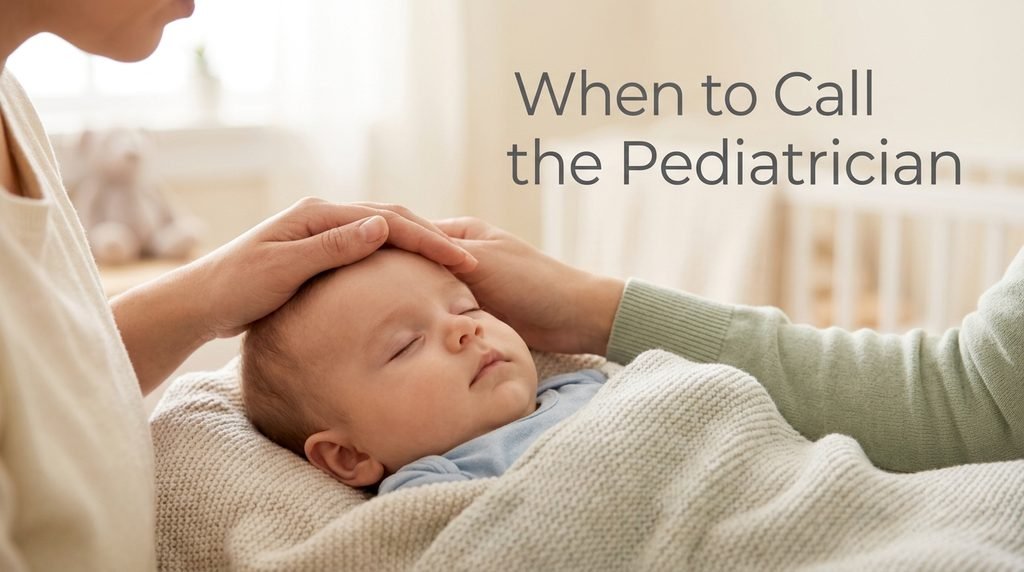
Sleep disruption that lasts more than a week or two, especially if it seems to be getting worse rather than better, is also worth mentioning at your next visit, since it could point to something other than teething, such as an ear infection or illness.
Myths About Teething and Sleep
There’s a lot of folklore surrounding teething, and separating fact from fiction can help you feel more confident about what’s normal. High fever, diarrhea, and severe illness are commonly blamed on teething, but current pediatric research doesn’t support a strong link between teething and these more serious symptoms. A mild temperature bump and some general fussiness are typical, but anything more significant usually has a different underlying cause.
Another common myth is that teething pain is constant and unrelenting for weeks on end. In reality, discomfort tends to spike for a day or two right before a tooth breaks through the surface, then eases significantly once it has emerged.
Frequently Asked Questions
How long does teething-related sleep disruption usually last?
Most teething-related sleep disruptions last anywhere from a few days to about a week around the time each tooth is actively erupting, then settle back down until the next tooth starts the process again.
Can teething cause night waking even before a tooth is visible?
Yes. Discomfort often begins under the gum line before any white tip is visible, so babies can experience disrupted sleep several days before a tooth actually breaks through.
Is it safe to give pain medicine every night during teething?
Occasional use as directed by your pediatrician is generally considered safe, but nightly use over an extended period should be discussed with your doctor to make sure it’s appropriate for your baby’s specific situation.
At what age do teething sleep problems tend to peak?
Many parents notice the most disrupted sleep between six and eighteen months, when several teeth, including the larger molars, tend to come in.
Conclusion
Learning how to help a teething baby sleep often comes down to a combination of gentle relief methods, a flexible but consistent bedtime routine, and knowing when a rough night is just teething versus something that needs medical attention. These uncomfortable stretches are temporary, even when they don’t feel that way at 3 a.m. With a few soothing tools on hand and a calm, steady approach, both you and your baby can get through this stage and back to more restful nights.
Related Post:
How Long Does It Take Baby Villagers to Grow Up? Ultimate 2026 Guide
Do Babies Need Dental Insurance? 7 Proven Facts for 2026
Do Babies Open Their Eyes in the Womb?
When to Take Baby to Dentist? Complete Guide for New Parents
Why Do Babies Grunt in Their Sleep? A Complete Parent’s Guide
